

The Confusion of Weeks and Months in Pregnancy
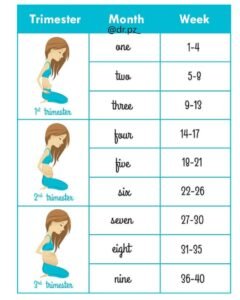
Pregnancy is a complex process measured traditionally in weeks, leading to confusion when relating this metric to months. Typically, pregnancy is counted from the first day of the last menstrual period (LMP), with the standard duration being approximately 40 weeks. This duration is commonly interpreted as nine months, but the actual relationship between weeks and months is not as straightforward as it may seem.
To illustrate this confusion, while some months consist of four weeks, others have more than that, with February being a notable exception. For instance, the months of January, March, May, July, August, October, and December each contain 31 days, resulting in 4.4 weeks when converted. On the other hand, April, June, September, and November have only 30 days, translating to 4.3 weeks. This inconsistency complicates the understanding of how pregnancy milestones align with calendar months.
Given these discrepancies, the pregnancy journey is often better understood through the concept of trimesters. Pregnancy is divided into three trimesters, each lasting about three months, thus providing a more organized framework for tracking development and expecting changes. The first trimester covers weeks 1 to 12, the second trimester spans from weeks 13 to 26, and the third trimester runs from weeks 27 to 40. Defining pregnancy in this manner emphasizes the biological and developmental milestones rather than solely relying on the sometimes misleading monthly framework.
The awareness of the differences between weeks and months during pregnancy is crucial for first-time mothers. Understanding that pregnancy duration is calculated primarily in weeks and that these weeks do not always neatly convert to months can alleviate confusion. By familiarizing themselves with both the week-based timeline and the concept of trimesters, expectant mothers can better navigate their pregnancy experience.
Tips for First-Time Moms: Navigating Pregnancy with Confidence
For first-time moms, navigating the complexities of pregnancy can be overwhelming. The journey encompasses various phases, including weeks, months, and trimesters, each with its unique experiences and challenges. To empower new mothers, it is crucial to provide practical advice to facilitate a smoother pregnancy experience.
One effective strategy is to track your pregnancy progression using a journal or a dedicated pregnancy app. These tools allow you to log important milestones, physical changes, and emotional well-being as you advance through weeks and trimesters. Many apps also provide personalized tips and fetal development information, ensuring you stay informed about what to expect.
Seeking support from healthcare providers is pivotal. Regular check-ups help monitor the health of both mother and fetus, while also providing an avenue for addressing concerns. Don’t hesitate to ask questions; your healthcare professional can clear up confusion regarding pregnancy weeks and months, as well as guide you on essential prenatal care practices.
Connecting with other new mothers, through local community groups or online forums, can further enhance your confidence. Sharing experiences and advice with those who are on a similar journey fosters a sense of community and offers invaluable support. Online platforms often host discussions about various pregnancy topics, allowing you to learn from others’ challenges and triumphs.
Utilizing reliable resources is another way to bolster your understanding of pregnancy. Books, articles, and reputable websites can provide extensive information on pregnancy health, nutrition, and emotional well-being, helping you make informed decisions during your pregnancy.
In conclusion, by actively monitoring your pregnancy, engaging with healthcare providers, and seeking community support, first-time moms can navigate their pregnancy journey with greater confidence and knowledge. Understanding the various stages of pregnancy can enhance this beautiful experience, leading to a healthier pregnancy and a more enriching transition into motherhood. Check out our post on the Top 10 Tips for First Time Moms to Survive the First Trimester.