Facing the Glucose Screening for the Second time: My Initial Encounter
As I walked in my OB’s office I was preparing myself for a 1-hour blood draw wait. The 28-week glucose screening for gestational diabetes was not something new to me. This was my second time around drinking glucola, and since this was my second pregnancy and I was not worried about my results. For my first pregnancy my 1-hour glucose screening clocked in around 105 mg/dL, which was great. I had to be under 140 mg/dL to essentially “pass” the screening to prove I did not have gestational diabetes. Lately, I was wondering if I was anemic or not because the past few weeks I had been feeling very OFF, so they check my hemoglobin at this appointment as well.
The only part of me that was nervous to take the screening was passing out or getting sick to my stomach after drinking the glucola. I had no problem during my first pregnancy, but since I was feeling a bit off those past few weeks I did have a little knot in my stomach – I won’t lie.
It was time for “the drink”
After the nurse explained the process, I was handed my glucola that I had to consume in mere minutes. The taste was familiar, and in that moment I wish I had eaten before hand (you do not have to do the screening fasted). Once I chugged the glucola down I was shuffled into a room to wait for the doctor to see me. After I chatted with my OB and raised concerns with how I was physically and mentally feeling, I was then placed in another room I could lay down and wait until the blood draw. At this point I could not wait to eat. I naturally get low blood sugar or “sugar crashes” after consuming sweets and since I drank the glucola on an empty stomach I was starting to feel anxious.
When the hour finally elapsed and my blood was taken, I felt an odd mixture of relief and tension as I then awaited the results. Days later, the news was delivered: I had failed the glucose screening. Not just failed but bombed. My glucose level after 1-hour was 193 mg/dL. I was shocked; how could this be happening to me? My journey with gestational diabetes was just beginning, and I was left to navigate this new reality with all its uncertainties.
The Diagnosis: Coming to Terms with Gestational Diabetes
Receiving the diagnosis of gestational diabetes was a significant turning point in my pregnancy journey. My doctor call and suggested instead of the standard 3-hour diagnostic test, that I should skip straight to management due to my elevated numbers. I had to now have to meet with the high risk OBs on top of my normal OB for the duration of my pregnancy.
Initially, I found it challenging to accept the reality of having a pregnancy complication like gestational diabetes, one that could potentially impact not only my health but also the health of my baby girl. The societal perceptions of diabetes weighed heavily on my mind, as I feared being stigmatized or judged by others. I couldn’t help but wonder how this diagnosis would change the course of my pregnancy and whether my actions might have led to this situation or whether this was a genetic factor that my husband and I could have controlled?
The psychological implications were profound. There was a constant battle within as I grappled with self-blame and anxiety about my baby’s wellbeing. The understanding that my body was not functioning as it should added a layer of stress to my already taxing experience being pregnant with a toddler and working. It was difficult to shake off the guilt associated with this pregnancy complication, as I worried about the implications gestational diabetes would have on my baby’s future health outcomes as well.
Ultimately, coming to terms with the diagnosis was a critical step in my journey. Acknowledging my feelings of sadness and frustration allowed me to seek support and begin educating myself about gestational diabetes management. Check out my post off Instagram below regarding my experience too.
Daily Struggles: Managing Blood Sugar and Mental Health
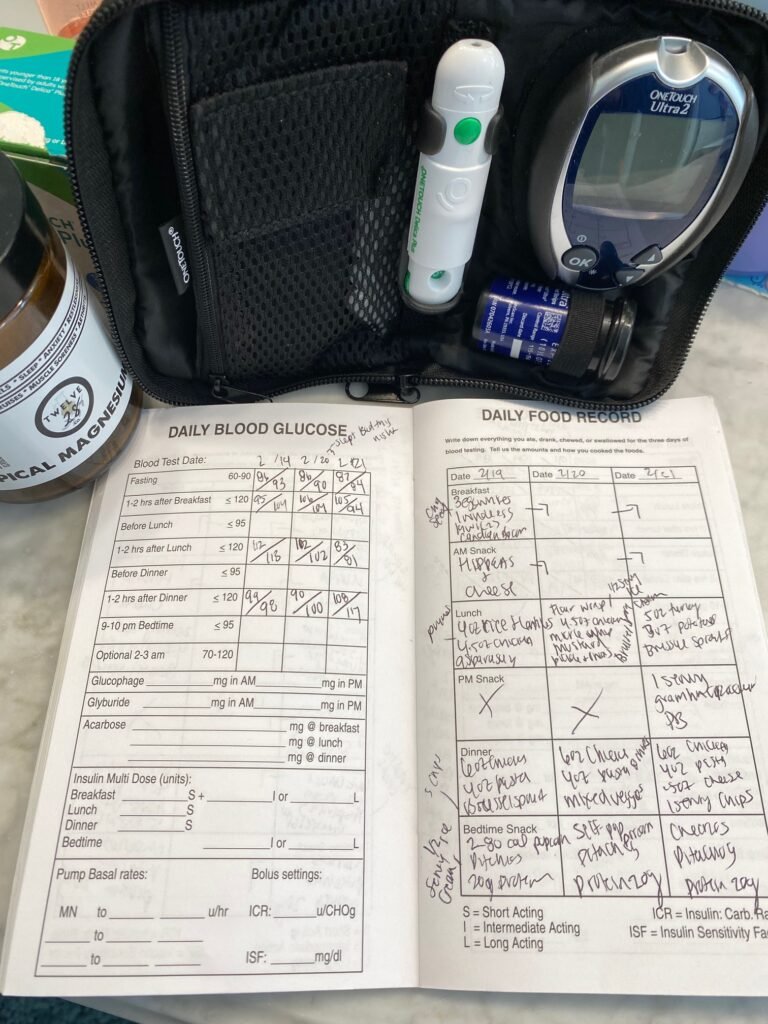
Living with gestational diabetes during pregnancy presented numerous daily challenges, particularly in managing blood sugar levels. The requirement for frequent blood sugar testing was physically and emotionally exhausting. Each prick of the finger served as a constant reminder of the condition, inducing a cycle of anxiety. This vigilance is crucial, as maintaining stable blood sugar levels is essential in mitigating the risks associated with this pregnancy complication.
Dietary restrictions were another thing. I have never eaten so much cheese in my life. Meal planning became an intricate task of calculating carbohydrates, proteins, and sugars, often leaving little room for spontaneity. The mental burden of adhering to a diet while managing cravings led me to have feelings of frustration and deprivation. Emotional well-being is a delicate aspect that requires careful attention, as the pressures of gestational diabetes started to weigh heavily on my mental health. As the weeks continued to go by, I could not decrease my fasting glucose levels to where the high risk doctor preferred, and I really did not want to taken insulin
The high risk OB team were a great support system and told me the less stress I am the more I could control my blood sugar spikes, especially the fasting levels. As I moved forward, I realized that understanding the condition was essential in order to navigate this challenging path effectively. There is also the constant worry about the implications of fluctuating blood sugar levels on the baby’s health, which adds a layer of emotional stress and anxiety. Ultimately, I navigated through the third trimester while managing gestational diabetes not just with physical strength but considerable mental resilience as well.
Reflections and Learning: Finding Strength Amidst Fear
During my journey with gestational diabetes, I encountered moments filled with both fear and uncertainty. This pregnancy complication introduced challenges I had never anticipated, altering my once straightforward experience into a series of tests that demanded profound resilience. The initial shock of diagnosis left me feeling vulnerable, yet over time, I began to recognize the strength that lay within this journey and I learned so much about myself.
One of the most significant lessons learned was the importance of seeking support. Healthcare providers played a crucial role in this period; their guidance and encouragement helped navigate the complexities of managing blood sugar levels. Regular check-ups and educational sessions provided me with the knowledge needed to make informed decisions. Additionally, I found immense comfort in sharing my experience with fellow expectant mothers who were facing similar challenges in our education group. There is a unique camaraderie that develops when individuals confront a common hurdle; it fosters hope and encourages advocacy for one’s health.
Ultimately, while the fears associated with my gestational diabetes diagnoses was daunting, it also present a chance to foster resilience, understand how stress was negatively effecting my body, and bond deeper with my family from the support I needed from them. I encourage others in similar situations to seek support, celebrate their progress, and acknowledge the strength they possess. Embracing these challenges can lead to a more profound understanding of oneself and increased advocacy for a healthier future.
For more information on other Pregnancy Complications, check out the post here.