
Common Pregnancy Complications
Pregnancy is a significant period in a woman’s life, marked by profound physiological changes. However, this transformative experience may also bring about various pregnancy complications that can impact maternal health and fetal development. It is crucial for expectant mothers to familiarize themselves with these common complications to ensure early detection and management.
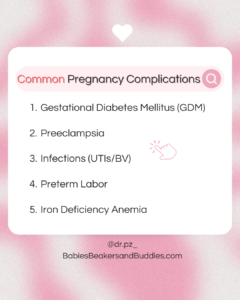
One prevalent issue is gestational diabetes, a condition characterized by high blood sugar levels that develop during pregnancy. Symptoms might be subtle, including increased thirst and urination, although some women may remain asymptomatic. If left unmanaged, gestational diabetes can lead to complications such as macrosomia, where the baby grows excessively large, increasing delivery risks.
Another common complication is preeclampsia. This condition is often marked by hypertension and can manifest with various preeclampsia symptoms like headaches, visual disturbances, and swelling. If not addressed, it can progress to severe complications such as eclampsia, which poses serious risks to both the mother and the fetus, making early monitoring essential.
Infections also pose a threat to maternal health during pregnancy. Conditions like urinary tract infections (UTIs) and bacterial vaginosis (BV) may occur. These infections can lead to discomfort and, in severe cases, may cause premature labor or impact fetal health if not treated promptly.
Preterm labor is another concern, defined as labor that begins before 37 weeks of gestation. This complication can arise due to several factors, including existing medical conditions or infections. It is crucial for pregnant women to recognize symptoms such as regular contractions, back pain, and pelvic pressure, which might signal impending labor.
Finally, iron deficiency is a common complication that can affect a pregnant woman’s overall health, leading to anemia. Symptoms such as fatigue, weakness, and pale skin can limit the mother’s ability to engage in daily activities and may also impair fetal growth.
Understanding these common pregnancy complications and their potential effects on maternal and fetal health is essential for ensuring a healthy pregnancy experience. Awareness and timely interventions can significantly reduce risks associated with these conditions. If you want more information on how these complications could affect you and your pregnancy journey, open the lines of communication up with your provider.
A Deeper Dive into Gestational Diabetes and Preeclampsia
Gestational Diabetes
Gestational diabetes is a condition that affects some pregnant women, typically developing during the second or third trimester. It is characterized by elevated blood glucose levels that are first recognized during pregnancy. Although gestational diabetes usually resolves after childbirth, it poses significant risks to both maternal health and fetal development if not effectively managed.
Several risk factors increase the likelihood of developing this complication, including obesity, a family history of diabetes, advanced maternal age, and previous occurrences of gestational diabetes in prior pregnancies. Additionally, certain ethnicities, such as Hispanic, Native American, and African American, have higher susceptibility to this condition. It is essential for pregnant women, especially those with risk factors, to have regular screenings to detect elevated glucose levels.
The symptoms of gestational diabetes can often be subtle and may include excessive thirst, frequent urination, and fatigue. However, many women experience few or no symptoms, making screening vital for identifying those at risk. If gestational diabetes is left unmanaged, it can lead to complications such as preeclampsia and an increased likelihood of cesarean delivery. Additionally, infants born to mothers with unmanaged gestational diabetes are at risk for macrosomia, which refers to oversized infants who may experience birth trauma or other health issues.
Monitoring for gestational diabetes typically involves glucose tolerance tests that help assess blood sugar levels. Treatment options may include dietary modifications, regular physical activity, and in some cases, insulin therapy. A personalized care plan, developed in collaboration with healthcare providers, is critical for maintaining healthy blood sugar levels during pregnancy, thus ensuring the well-being of both the mother and the child. Do you have gestational diabetes and are you nervous about it? Check out my personal story with my gestational diabetic pregnancy here.
Preeclampsia and Its Effects
Preeclampsia is a pregnancy complication characterized by high blood pressure and often accompanied by damage to other organ systems, most commonly the liver and kidneys. It typically occurs after the 20th week of pregnancy and can develop either gradually or suddenly. The exact cause of preeclampsia remains unclear, but it is believed to arise from abnormal placentation, leading to inadequate blood flow to the placenta and thus impacting maternal health.
The main symptoms associated with preeclampsia include elevated blood pressure, protein in the urine (proteinuria), and swelling in the legs, feet, and hands. Additionally, some women may experience headaches, visual disturbances, or abdominal pain. These preeclampsia symptoms can vary in severity, making early detection crucial for effective management. If left untreated, preeclampsia can progress to severe forms such as HELLP syndrome, which poses significant risks to both the mother and the baby, including the potential for preterm delivery.
Management of preeclampsia primarily focuses on monitoring maternal and fetal health to minimize risks. Regular prenatal visits are essential for identifying elevated blood pressure early on. If diagnosed, treatment may include lifestyle modifications and medication to control blood pressure. In severe cases, delivery may be necessary, even if the pregnancy is not yet full-term, to protect the health of the mother and the child. Ultimately, understanding the early signs and symptoms of this pregnancy complication is paramount. It empowers expectant mothers to seek timely medical advice and ensures adequate care during pregnancy.
Rare Pregnancy Complications
In the realm of pregnancy complications, while some conditions are more prevalent, there exists a category of rare issues that can pose significant risks to both maternal health and fetal development. Understanding these rare pregnancy complications can lead to heightened awareness and proactive management, which are crucial for better outcomes.
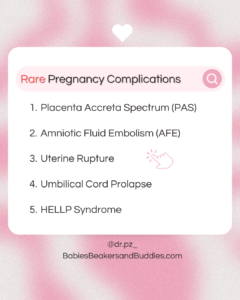
One such complication is placenta accreta spectrum (PAS), a condition where the placenta attaches too deeply into the uterine wall. This abnormal adherence can lead to severe blood loss during delivery, necessitating careful monitoring and potentially a planned cesarean section. Symptoms may include abnormal bleeding and anemia, primarily detected through imaging studies during pregnancy.
Amniotic fluid embolism (AFE) is another grave and rare emergency that occurs when amniotic fluid enters the maternal bloodstream, causing an acute inflammatory response. This condition is associated with a sudden onset of symptoms such as respiratory distress, cardiovascular collapse, and uncontrolled bleeding. Immediate medical intervention is paramount for the survival of both mother and child.
Uterine rupture, a critical concern particularly in women with a history of cesarean sections, involves the tearing of the uterine wall, often during labor. Symptoms may include intense abdominal pain, vaginal bleeding, and fetal heart rate abnormalities. Timely recognition is vital to avoid severe complications.
Umbilical cord prolapse occurs when the umbilical cord slips ahead of the presenting part of the fetus during labor, leading to cord compression and compromised fetal blood flow. This situation often necessitates an urgent cesarean delivery to prevent severe fetal distress.
Lastly, HELLP syndrome, a severe form of preeclampsia, presents with hemolysis, elevated liver enzymes, and low platelet count. Recognizing the preeclampsia symptoms and subsequently identifying HELLP is crucial, as it can lead to serious, life-threatening complications for both mother and baby. Careful monitoring and prompt treatment can improve maternal health outcomes.